Florida's heat, humidity, and UV exposure are tough on exterior paint. Learn what products and techniques hold up best in Tampa Bay's climate.
Florida's Climate Is Hard on Exterior Paint
Painting a home in Tampa Bay, Valrico, or anywhere in Hillsborough County is not the same as painting a home in Atlanta or Chicago. Florida's combination of intense UV radiation, high humidity, heavy rain, and temperature swings puts exterior paint under constant stress.
Understanding these factors — and choosing the right products, timing, and technique — is the difference between a paint job that looks great for 10 years and one that starts peeling or fading within two.
Choose the Right Paint for Florida Conditions
Not all exterior paints are created equal. For Florida homes, look for 100% acrylic latex paints with high-quality resins. These expand and contract with temperature changes better than alkyd (oil-based) products, which makes them less likely to crack over time.
Look for paints rated for UV resistance — Florida gets far more UV exposure than most of the country, which causes pigments to fade and binders to degrade. Brands like Sherwin-Williams Emerald Exterior and Benjamin Moore Aura Exterior are formulated for these conditions.
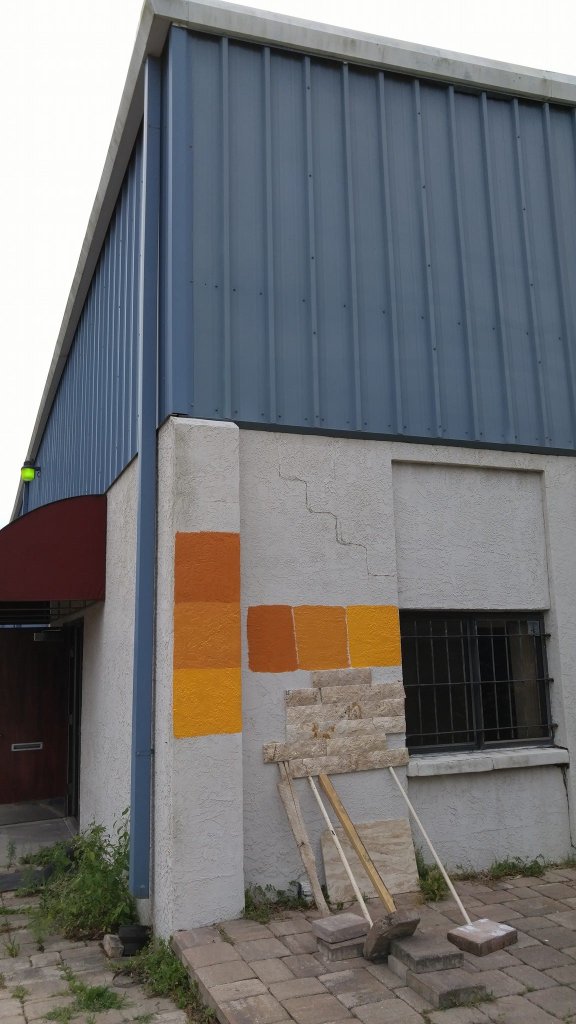
For stucco exteriors (very common in the Tampa Bay area), use a paint that's vapor-permeable — it allows moisture trapped in the stucco to escape rather than building up behind the paint layer and causing peeling or bubbling.
Timing: When to Paint in Florida
The best time to paint an exterior in Florida is during the dry season — roughly October through May. During summer months, afternoon thunderstorms are nearly daily, and high humidity can prevent paint from curing properly.
Even during the dry season, avoid painting in direct sunlight on a hot day. Extreme surface temperatures cause paint to dry too quickly, leading to poor adhesion and brush marks. Early morning — once any dew has dried — is usually the best window. Check the forecast for at least 24–48 hours of dry weather after painting.
Prep Is Even More Critical Outdoors
On exterior surfaces, skipping prep is far more consequential than indoors. Dirt, mildew, loose paint, and chalking all need to be removed before a new coat is applied. Pressure washing is the most effective way to clean exterior surfaces — it removes biological growth, salt deposits, and surface contamination.
After pressure washing, allow the surface to dry completely — at least 24 hours, and longer in humid weather. Any remaining loose or peeling paint must be scraped and sanded down to a stable base. Painting over unstable surfaces will cause the new coat to fail prematurely, pulling away the old paint underneath.
Caulk all gaps around windows, doors, trim, and transitions between materials. This prevents water infiltration — the primary cause of paint failure and structural damage in Florida homes.
Mildew and Biological Growth
In Florida's humid climate, mildew on exterior surfaces is almost inevitable. Before painting, treat affected areas with a bleach-water solution (1 part bleach to 3 parts water) and allow it to sit, then rinse thoroughly. Some painters add a mildewcide to the paint itself as an extra preventative measure.
Choosing a paint with built-in mildew resistance — indicated on the label — is also a smart move for Florida properties, especially on shaded north-facing walls or areas near landscaping.
Pro Tip: In Florida, always prime bare stucco and wood before painting. An exterior primer rated for your surface type dramatically improves adhesion and longevity — especially critical on new construction or re-stucco repairs.
Ready for a professional result?
Liberty Paint & Techniques serves Valrico, Brandon, Riverview, and all of Hillsborough County.
Request a Free Estimate