
Flat, eggshell, satin, semi-gloss — each finish serves a different purpose. Here's how to pick the right sheen for every surface in your home.
Paint Sheen Matters More Than Most Homeowners Realize
When clients choose paint, they almost always focus on color. But the finish — or sheen level — of a paint is just as important. It affects how the surface looks, how easy it is to clean, how much it reflects light, and how long it will hold up in a given space.
Choosing the wrong sheen for a room isn't just an aesthetic mistake — it's a practical one. Here's a breakdown of each finish type and where it works best.
Flat / Matte — Best for Low-Traffic Ceilings and Feature Walls

Flat paint has no sheen and absorbs light, which makes it excellent at hiding surface imperfections — bumps, patches, and uneven texture disappear under a flat coat. That's why it's the standard for ceilings.
The downside: flat paint is not washable. Wiping it will leave marks or remove pigment. Avoid it in kitchens, bathrooms, hallways, or anywhere that gets touched frequently. Stick to ceilings, formal dining rooms, and feature walls where aesthetics matter more than durability.
Eggshell — The Ideal Everyday Interior Finish
Eggshell has a slight, subtle sheen — about 10–25% gloss. It offers a clean look without being shiny, and it's durable enough to be wiped down with a damp cloth. This makes it the most widely used finish for living rooms, bedrooms, and hallways.
It still hides minor imperfections reasonably well, while being practical for day-to-day living. Most professional painters default to eggshell for walls unless there's a specific reason to go higher or lower in sheen.
Satin — Kitchens, Bathrooms, and High-Traffic Areas
Satin has a smooth, velvety finish with noticeably more sheen than eggshell. It's highly washable and moisture-resistant, making it the right choice for kitchens, bathrooms, laundry rooms, and kids' bedrooms. In Florida, satin is also a good choice for high-humidity areas where mold or moisture resistance matters.
The trade-off: satin shows surface imperfections more readily. Any bumps or uneven patches in the wall will catch the light. Proper prep is critical before applying satin, especially in older homes.
Semi-Gloss — Trim, Doors, and Cabinets
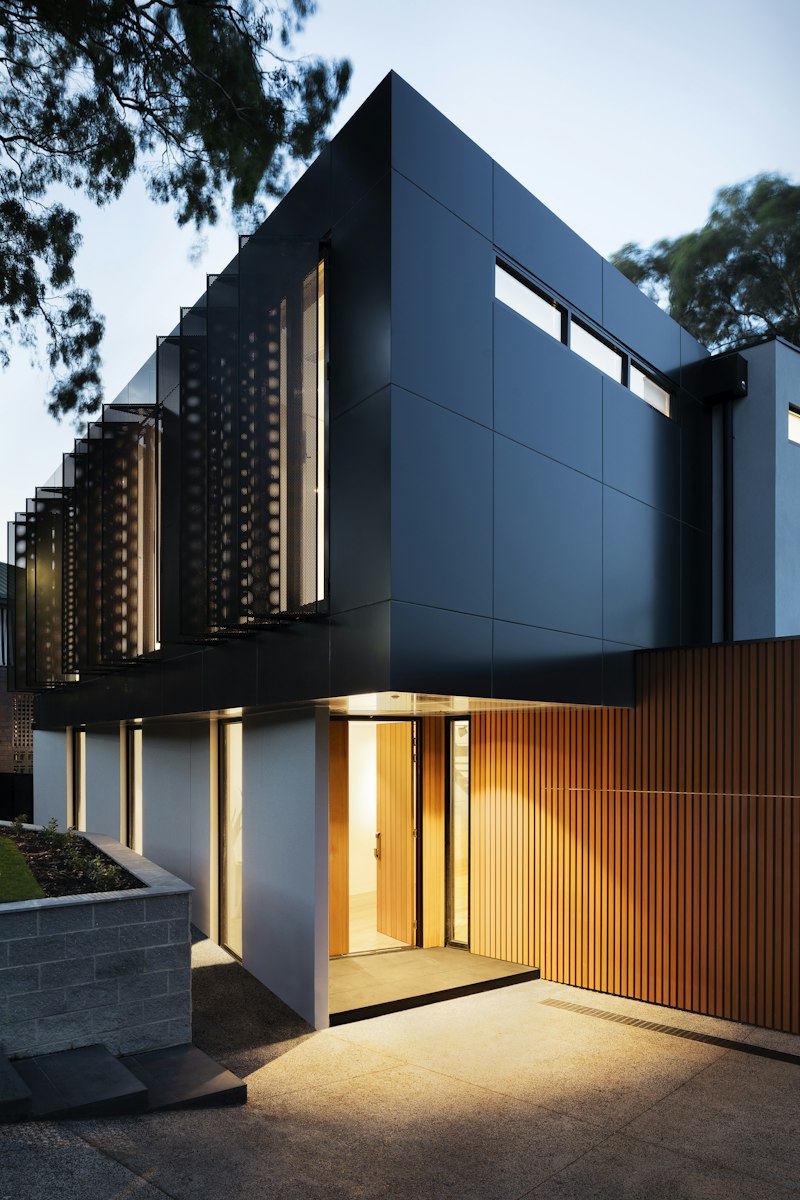
Semi-gloss is the standard for trim, baseboards, door frames, window casings, and cabinet boxes. It's highly durable, moisture-resistant, and easy to clean — and its reflective surface gives woodwork a crisp, finished look that makes it stand out from the walls.
Semi-gloss is also used in bathrooms and on some kitchen walls where maximum wipability is needed. It will highlight surface imperfections clearly, so sanding and prep work are essential.
High-Gloss — Doors, Accents, and Furniture
High-gloss is the most reflective and most durable of all finishes. It's used on exterior doors, interior accent doors, furniture, and cabinetry where a bold, sleek look is desired. It's extremely washable and holds up to heavy contact.
High-gloss is unforgiving — every imperfection in the surface will be amplified. Proper sanding, priming, and multiple thin coats are required for a professional result. Unless you want a very deliberate statement, reserve high-gloss for specific accent applications.
Pro Tip: When in doubt, use eggshell on walls and semi-gloss on all trim and doors. This combination works in almost every room and delivers a polished, professional result.
Ready for a professional result?
Liberty Paint & Techniques serves Valrico, Brandon, Riverview, and all of Hillsborough County.
Request a Free Estimate